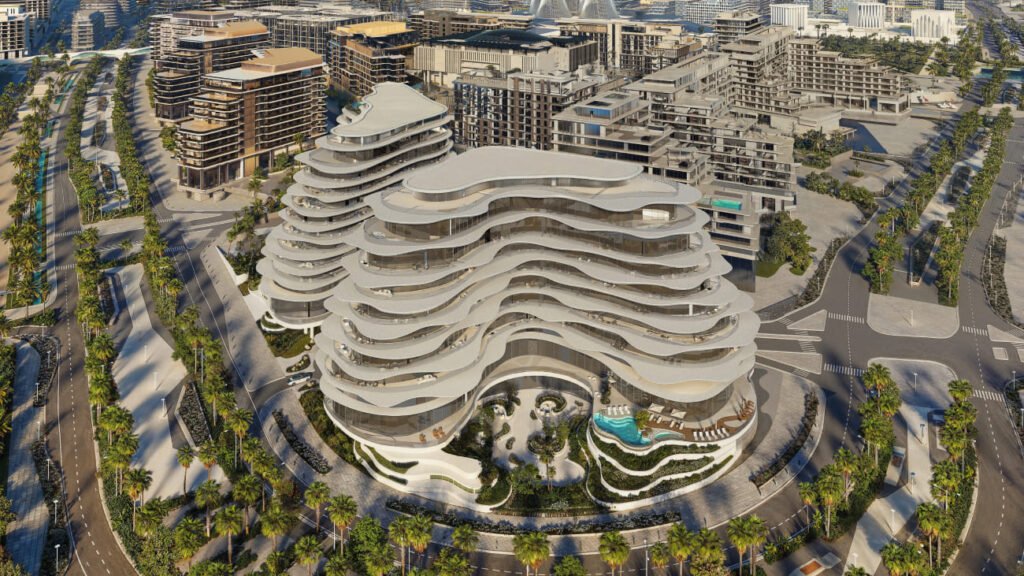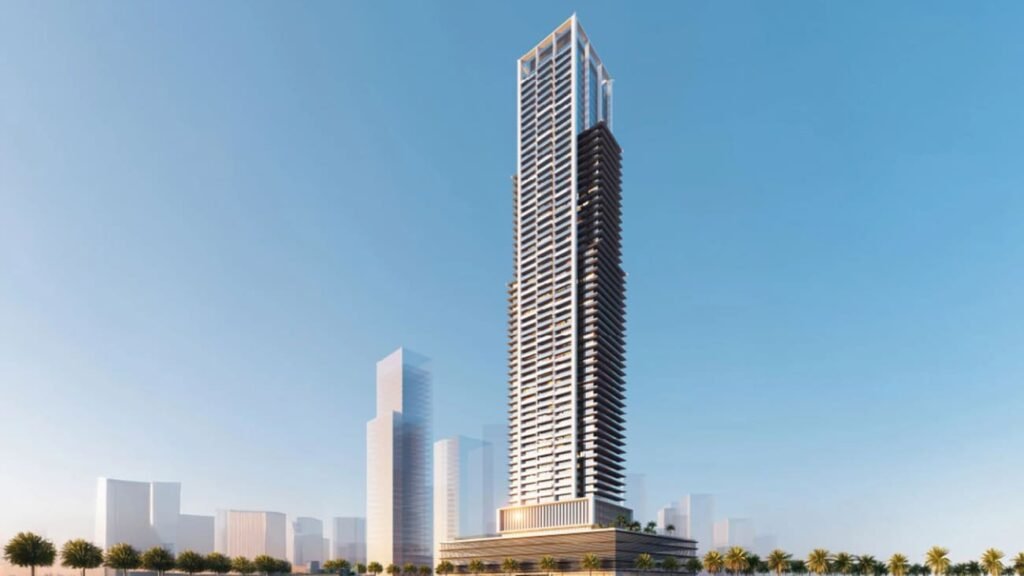


Dubai’s 2026 real estate picture reveals a clear split: the Dubai prime property market has continued to outperform, while the broader citywide market has pulled back from February levels. For buyers and investors, understanding this divergence helps with timing, risk assessment, and choosing between property segments.
Quick answer: The Dubai prime property market rose 10.9% in the year to June 2026 and 155.3% over five years, the strongest prime growth in the global index cited by Dubai Chronicle. Meanwhile, citywide values were 10.2% below February levels and the ValuStrat index was 3.1% lower year on year, creating a two-speed market.
How is the Dubai prime property market performing in 2026?
In the prime segment, luxury prices rose 10.9% in the year to June, with five-year gains of 155.3%—the strongest in the global index. Citywide values are 10.2% below February, with apartments down 5.3% year over year and villas down 1.7%. In real terms, prices rose 0.4% over the year to the second quarter, while real rents fell 4.0%.
The August ValuStrat index stands at 218.8 points, down 0.2% from July and 3.1% from a year earlier, signaling the broad market is softening even as prime prices hold momentum. Within the market, value preservation varied by segment; 61% of freehold apartment communities and 73% of villa communities retained their values in August.
Affordability, financing and yields
Dubai remains relatively inexpensive to enter by global standards. A skilled service worker would typically need about five years of income to buy a 60 sqm apartment near the centre, versus longer in several other major markets. The price-to-rent ratio is about 16 years of rent to buy, implying a gross yield around 6.3% in current conditions.
Financing costs rose in September after a rate rise by the Central Bank of the UAE to 3.9% (effective 17 September). This shift weighs more on mortgage borrowers than cash buyers, influencing demand patterns and leverage decisions.
Implications for buyers and investors
- Prime buyers may continue to see price momentum, but the broader market is softer—timing and segment selection matter more than ever.
- Income prospects remain attractive relative to some global peers, yet higher borrowing costs temper overall yield growth.
- Off-plan activity remains significant but has cooled: August registrations were 8,016 (72.5% of residential sales), with MoM and YoY declines, while completions have risen as deliveries occur.
- Ready stock continues to offer Income potential, with higher-ticket deals concentrated in prime areas; new lease rents have moved lower, underscoring the need to base yields on current rents rather than prior peaks.

For buyers, the gap matters: entry prices in the Dubai prime property market keep rising, while the wider market offers more room to negotiate.
Market momentum: ready vs off-plan
Resale ready volumes dipped in August (3,038 transactions, down 14.3% MoM and 20.6% YoY), yet the market still accounts for the majority of value. In contrast, off-plan registrations reached 8,016 in August, reflecting ongoing development activity but a sharp pullback from earlier periods. The market now treats prime and citywide segments as distinct asset classes, with delivery schedules and new supply influencing future performance differently across neighborhoods.
The report also notes that high-end activity persists, with several large transactions in August and early September, suggesting a persistent if selective demand at the top end even as the broader market adjusts.

Why is the Dubai prime property market outperforming?
Homes in the Dubai prime property market have limited supply and attract cash-rich international buyers, so they are less affected by higher borrowing costs than the wider market. The report notes several large transactions in August and early September 2026, showing selective demand at the top end. For a wider view, read our Dubai property affordability update, and browse current off-plan projects.
Frequently asked questions
How much has the Dubai prime property market risen?
Prime prices rose 10.9% in the year to June 2026 and 155.3% over five years, according to the global assessment cited in this report.
Are wider Dubai property prices falling?
Yes, modestly, outside the Dubai prime property market. Citywide values were 10.2% below February levels, and the August ValuStrat index was 0.2% lower than July and 3.1% lower than a year earlier.
Is off-plan still popular in Dubai?
Yes, but it has cooled. Off-plan registrations totalled 8,016 in August 2026, 72.5% of residential sales.
Conclusion
Dubai’s 2026 narrative points to a two-speed market: robust prime-price growth alongside a moderated citywide correction. For buyers, affordability remains a marketable entry point, especially in well-located ready stock. For investors, the combination of attractive gross yields, rising financing costs, and the balance between off-plan risk and delivery timing calls for careful, segment-specific analysis and due diligence on rental assumptions and project pipelines.
Source: Dubai Chronicle: Dubai Real Estate Now: A Global Assessment